
Clay Desiccant
Natural, economical montmorillonite clay desiccant for high-volume packaging.
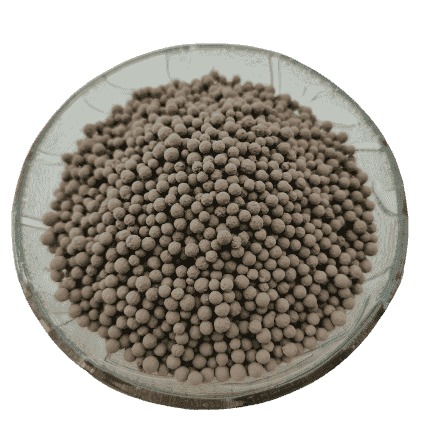
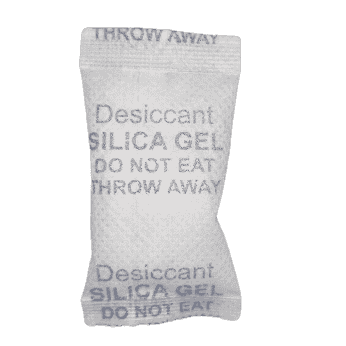
Clay Desiccant
At Aharnish Desiccant, we provide Clay Desiccant, a natural, environmentally friendly moisture-absorbing agent derived from Montmorillonite clay and other natural minerals. This highly effective desiccant is ideal for maintaining optimal humidity levels in various industrial and commercial applications, offering reliable protection against moisture and humidity.
- Natural, biodegradable mineral
- Cost-effective for bulk use
- 25–30% moisture absorption
- Safe for all industries
Overview
Clay Desiccant is known for its high moisture absorption capacity, making it an excellent choice for environments with moderate to high humidity. Unlike chemical desiccants, clay desiccant absorbs moisture through physical adsorption without undergoing any chemical reactions, ensuring a safe and stable performance throughout its usage.
The non-toxic, pollution-free nature of Clay Desiccant makes it suitable for a wide range of applications, particularly in industries where safety and environmental considerations are important.
Aharnish Desiccant supplies Clay Desiccant in pouches, bags, and bulk quantities, ensuring flexibility to meet the diverse needs of businesses across industries. With its eco-friendly properties and consistent performance, Clay Desiccant is an economical and sustainable solution for moisture management.
Applications
- Container desiccation
- General packaging
- Textile and garments
- Wooden furniture
- Steel and metal parts
Key benefits
- Low-cost and effective
- Biodegradable and natural
- Safe for all industries
- Available in custom sizes
- Eco-conscious desiccant option
Technical specifications
- Appearance
- Brownish granules
- Material
- Activated Montmorillonite Clay
- Moisture Absorption Capacity
- 25–30% of its weight
- Packaging Size
- 0.5g to 5kg sachets and bulk
- Shelf Life
- Up to 12 months (sealed)
Industries using Clay Desiccant
See application-specific guidance and recommended products for these sectors.
Clay Desiccant — questions & answers
Clay desiccant absorbs around 25–30% of its weight versus up to 40% for silica gel, so silica gel has a higher capacity. However, clay is significantly more economical and performs very well for general packaging and container use in moderate humidity, which makes it a popular high-volume choice.
Our clay desiccant is produced from activated montmorillonite clay, a natural mineral. It absorbs moisture by physical adsorption without any chemical reaction, and it is non-toxic and biodegradable.
It is ideal for container desiccation, general packaging, textiles and garments, wooden furniture, and steel or metal parts where an economical, environmentally friendly desiccant is preferred.
Sealed and stored correctly, clay desiccant has a shelf life of up to 12 months. In use, service life depends on the humidity and volume of the sealed environment.
Other products
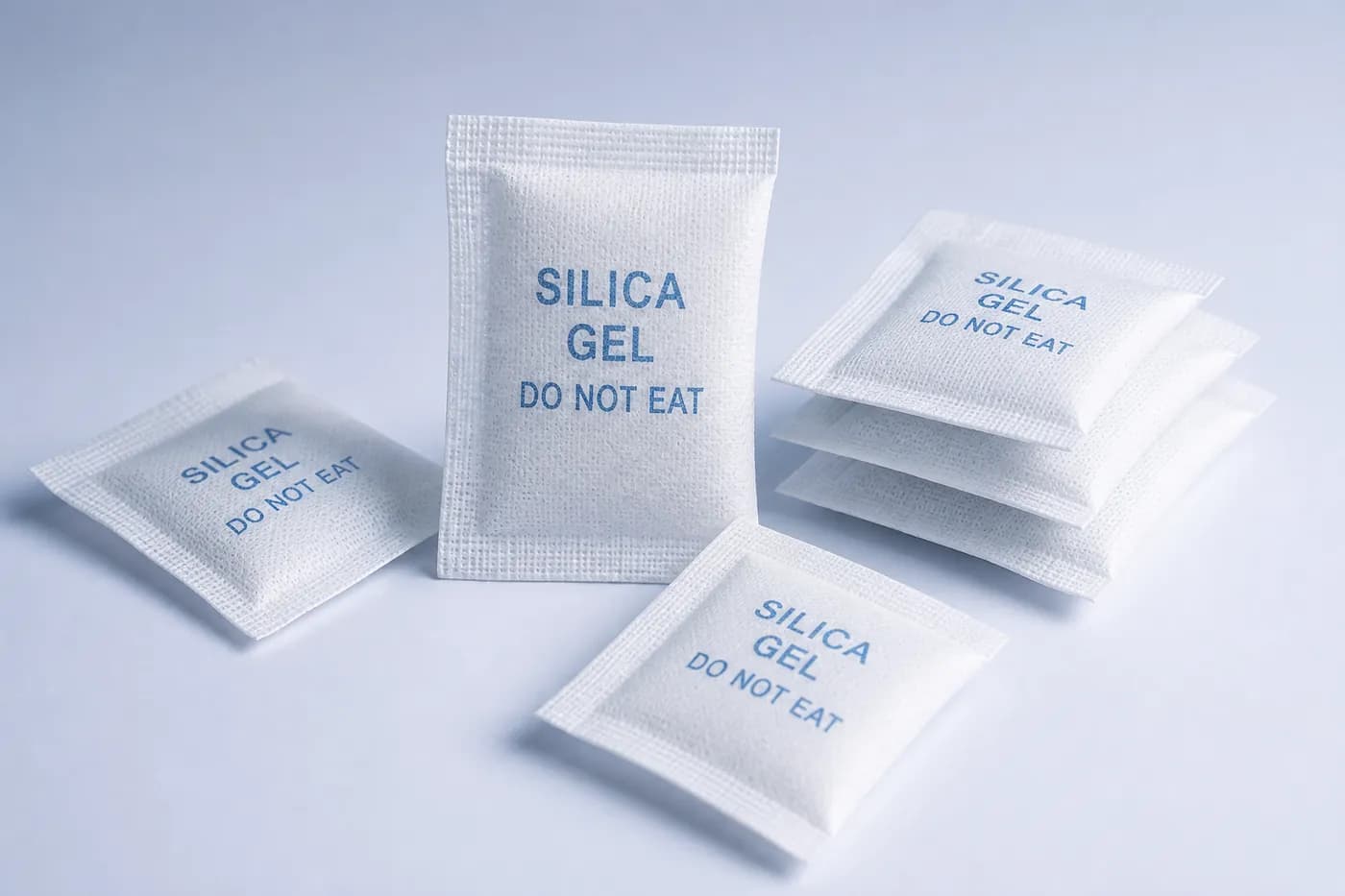
Silica Gel Bag
Aharnish Desiccant offers premium-quality Silica Gel Bags, an essential solution for moisture control and preservation in various industries. These silica gel bags are filled with high-performance silica gel beads, known for their excellent moisture-absorbing properties. Ideal for packaging and storage, our silica gel bags help prevent moisture-related damage, mold, and corrosion.
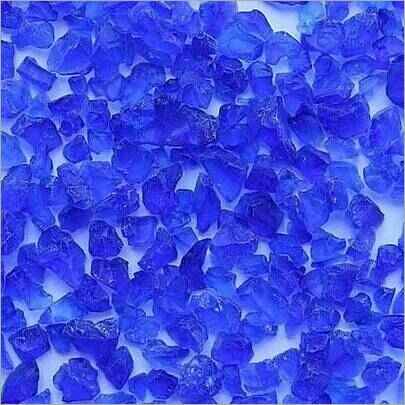
Silica Gel Blue
At Aharnish Desiccant, we offer premium-quality Silica Gel Blue, a synthetic, amorphous form of silicon dioxide embedded with cobalt chloride as a moisture indicator. This self-indicating desiccant exhibits a distinct color change—appearing deep blue when dry and gradually turning pink as it absorbs moisture. Once the material is saturated, the pink hue indicates the need for regeneration or replacement.
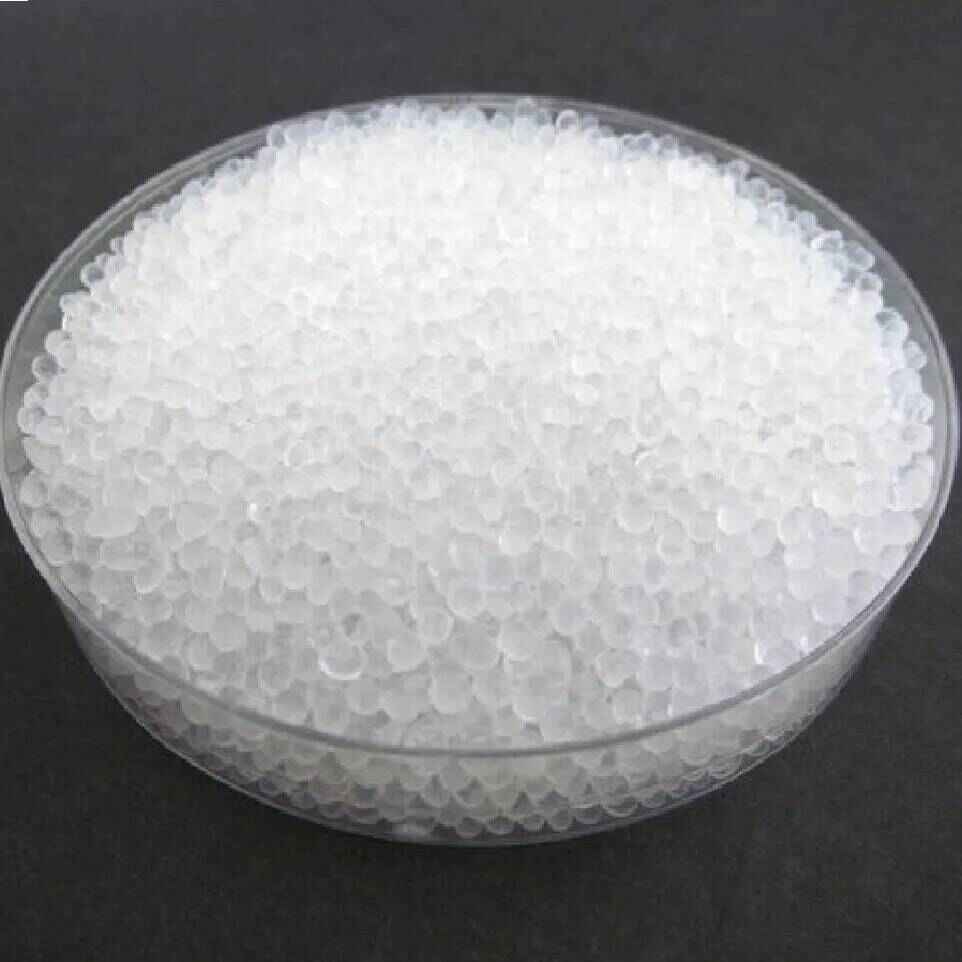
Silica Gel White
At Aharnish Desiccant, we offer premium-grade Silica Gel White, a highly effective moisture-absorbing agent ideal for use in high-humidity environments, particularly above 50% relative humidity. This non-reactive, physically adsorptive desiccant draws in water vapor through its intricate network of internal pores, without undergoing any chemical changes or producing harmful by-products.