
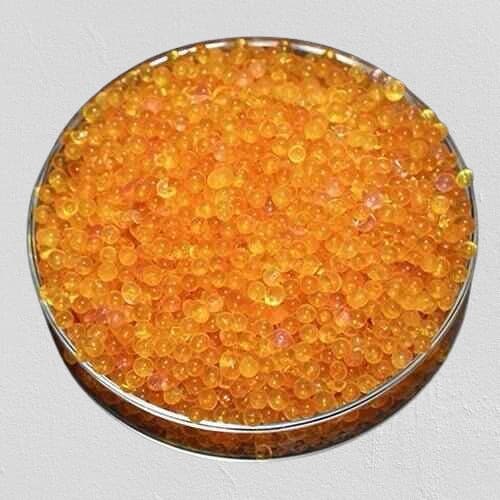
Air-drying flowers leaves them shrivelled and faded. Silica gel, by contrast, pulls moisture out gently and quickly, preserving colour, shape and detail far better. It's used by florists, crafters and preservation businesses alike. Here's how to do it.
What you'll need
- Fine-grade silica gel (small beads or crystals work best around delicate petals)
- An airtight container slightly larger than the flowers
- Fresh, dry flowers at their peak (no surface moisture)
Step-by-step method
- Pour a 2–3 cm base layer of silica gel into the container.
- Trim stems short and place the flowers upright (or face-up for flat blooms) on the layer.
- Gently sprinkle silica gel around and over the petals until the flower is fully covered, supporting the natural shape.
- Seal the container with an airtight lid.
- Leave for 2–7 days depending on the flower's thickness — thin blooms dry fastest, dense roses take longest.
- Carefully pour off the gel and lift out the dried flower with a soft brush to remove residue.
Tips for the best results
- Use fully dry, unblemished flowers — any surface water causes browning.
- Don't over-dry; check progress after a couple of days.
- Store finished flowers away from humidity, ideally with a small silica gel sachet nearby.
Can you reuse the silica gel?
Yes. Once the gel has absorbed moisture it can be reactivated by heating at around 110–120°C until dry, then cooled in a sealed container and reused for the next batch — which makes it very economical for repeat use.
Need silica gel in bulk or fine grades for flower preservation? Get in touch for sizes and pricing.